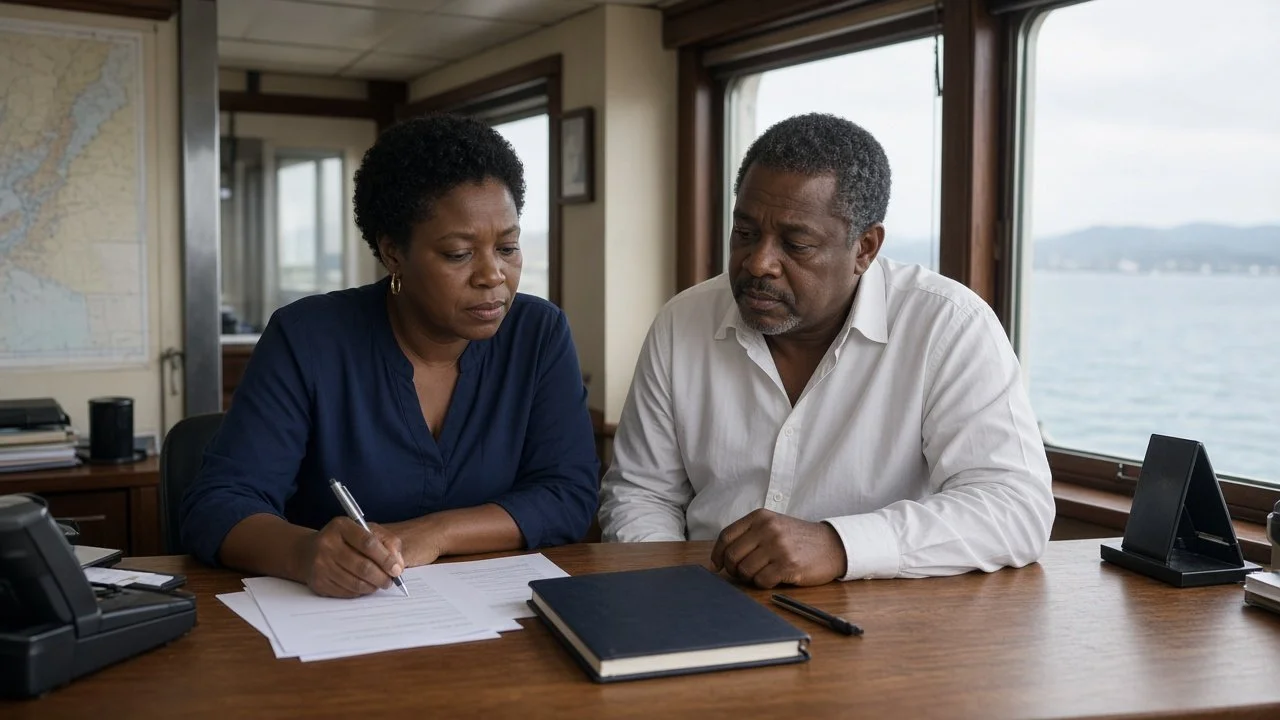

The Bahamas maritime registry is one of the better-known open registries in international shipping. For owners, managers and masters, it is not a marketing label. It is the flag state that issues the ship's certificates, oversees compliance with the conventions The Bahamas has ratified, and is the administration a port state or class society will look to when something needs official confirmation.
This article explains, in plain terms, how the registry is organised, what flag-state responsibility involves, and what a ship already on the register — or considering it — should keep in order. It does not rank flags, quote fleet figures or list fees, all of which change and should be taken from the administration itself.
How the Bahamas maritime registry is organised
The registry is administered by the Bahamas Maritime Authority, commonly known as the BMA. The Authority acts for the Government of the Commonwealth of The Bahamas on ship registration, seafarer certification, surveys and the day-to-day application of maritime conventions.
A ship that flies the Bahamian flag is a Bahamian ship for the purposes of international law. The official port of registry is typically shown on the ship's documents as Nassau, even when the vessel never calls there. That is a documentary fact, not a trading pattern. The ship may work worldwide, including calls in The Bahamas itself or in nearby ports such as Port Everglades and the Port of Miami.
Like other responsible administrations, the BMA works through a combination of its own instructions, recognised organisations (usually classification societies authorised to carry out certain surveys) and the ship's company documents, including the safety management system required by the ISM Code. The flag remains responsible even when a recognised organisation has done the survey.
What flag-state responsibility actually covers
Under international law, the flag state is responsible for the ship. In practice, that responsibility is felt in a few places.
Registration and identity. The ship is entered on the register, given official numbers and call sign, and issued with a certificate of registry. Changes of owner, manager, name or technical particulars have to be recorded.
Convention certificates. Where The Bahamas is a party to a convention — SOLAS, MARPOL, load line, STCW, the Maritime Labour Convention and others — the flag, or a recognised organisation acting for it, issues or endorses the relevant certificates. The exact list of conventions and any reservations should be confirmed with the BMA or the ship's class, not assumed from memory.
Seafarers. Officers and ratings need the certificates of competency and endorsements the flag requires, including, where applicable, a Bahamian endorsement on a certificate issued by another party to STCW. The company also remains responsible for familiarization and for rest hours.
Inspections and investigations. The flag can inspect its ships, investigate casualties and detain or cancel documents if the ship is not in a fit state. Port state control in other countries will, in turn, look at whether the flag is doing that job.
None of this is unique to The Bahamas. What matters for the people on board is that the documents match the ship, the endorsements are current, and the company knows which BMA instructions apply to that vessel.
What to keep in order on a Bahamian ship
A practical checklist is more useful than a lecture on legal theory.
- Keep the certificate of registry, the trading certificates and the class status current, and know the next survey window.
- Make sure the minimum safe manning document, the crew's certificates and any flag endorsements match the people actually on board.
- File BMA information bulletins and instructions where the master and the designated person can find them. Flag circulars are easy to miss when they arrive only at the office.
- Use the prescribed forms when reporting a casualty, a detention, a change of management or a seafarer issue. Informal emails are not a substitute if the administration has a required channel.
- If the ship will also call at ports in The Bahamas, remember that flag state and port state are different roles. A Bahamian ship in Freeport is still subject to local arrival, customs and port formalities in the same way as any other vessel.
Owners considering a registration or a change of flag should take the current requirements from the BMA and from their class society. Published summaries go out of date, and fees, technical conditions and any eligible ship types are not something a third party should invent.
How this looks during a port call
Most of a call in Freeport, at the Grand Bahama Shipyard, or at Port Everglades is operational: clearance, stores, crew, surveys or repairs. The registry sits in the background until a certificate, an endorsement or a report is needed.
If a surveyor, an inspector or an agent asks for a flag document, the master should be able to produce the original or the official electronic equivalent, and the office should know how to reach the BMA or the recognised organisation that issued it. That is ordinary good order, and it is often the difference between a short conversation and a delayed departure.
Port Agency & Logistics support in The Bahamas and South Florida is easier when those papers are already in hand. The FAQs set out how to brief an agent on a call.
Frequently asked questions
Is the Bahamas Maritime Authority the same as the port authority in Freeport? No. The BMA is the national flag administration. Port operations in Freeport and the other Grand Bahama facilities are handled locally. A ship may deal with both on the same voyage, but they are different organisations.
Does a Bahamian ship have to call at Nassau? Not by reason of the port of registry alone. Nassau is the official port shown on the documents. Trading patterns are a matter for the owner and the charterer.
Where should we confirm a technical or manning requirement? From the BMA, the ship's approved documentation and the recognised organisation that surveys the vessel. Do not rely on a summary in an article, including this one, for a decision that affects certificates.
A short closing note
This is an industry briefing, not a registration service. Russmill Maritime Services Limited works with ships calling The Bahamas and South Florida. If you have a question about an upcoming call, email ops@russmillmaritime.com or use the 24-hour line, +1 242 821 7780.