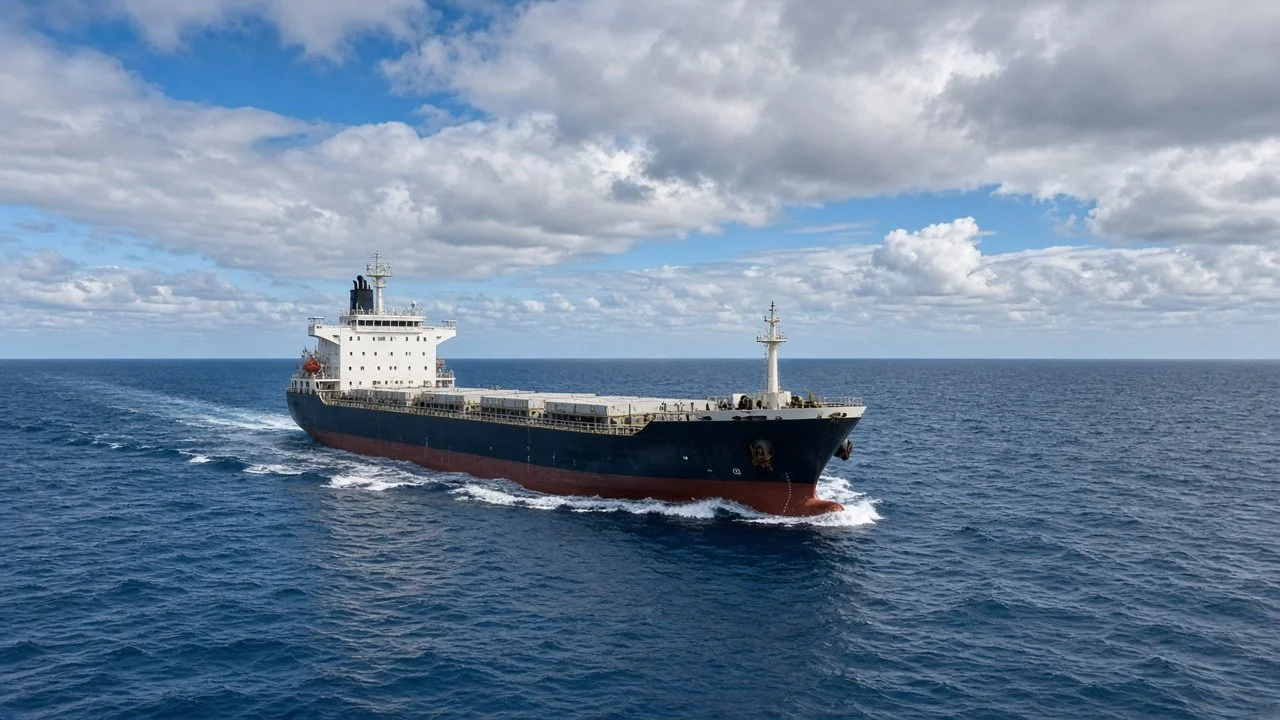
Ballast water management is the set of rules intended to reduce the transfer of aquatic organisms and sediments in a ship's ballast. The International Convention for the Control and Management of Ships' Ballast Water and Sediments, 2004, entered into force on 8 September 2017. For ships to which it applies, the practical picture in 2026 is no longer a long phase-in. The performance standard in regulation D-2 was required, for existing ships, by the first IOPP renewal survey on or after 8 September 2019, and in any event not later than 8 September 2024. New ships have been required to meet D-2 since the Convention entered into force.
This article is a plain-English briefing for masters, chief engineers and operators. It explains the documents, the two standards, and why a call at a United States port is not automatically covered by an IMO type approval alone. It does not invent Bahamas-specific discharge rules, and it does not treat any later revision of the Convention as adopted unless it appears in an official text. Work continues at IMO on experience with the Convention; that work should not be read as a change to the ship's present duties until an adopted text says so.
What ballast water management already requires
From the date the Convention entered into force, ships to which it applies have been required to have a ballast water management plan, a ballast water record book, and, where the survey and certification provisions apply, an International Ballast Water Management Certificate. Those documents still have to be on board and in use. The plan has to be the one the ship actually follows.
Regulation D-1 is a ballast water exchange standard. Regulation D-2 is a discharge performance standard, limiting viable organisms in discharged ballast, including specified indicator microbes. The exact numerical limits are in the Convention text and should be read there. D-1 exchange may still have a place as a contingency or in other defined circumstances, but for ships subject to the Convention the approved method stated on the certificate is, after the final implementation date, the D-2 standard. Confirm the ship's current certificate and plan rather than assuming that exchange is still the primary method.
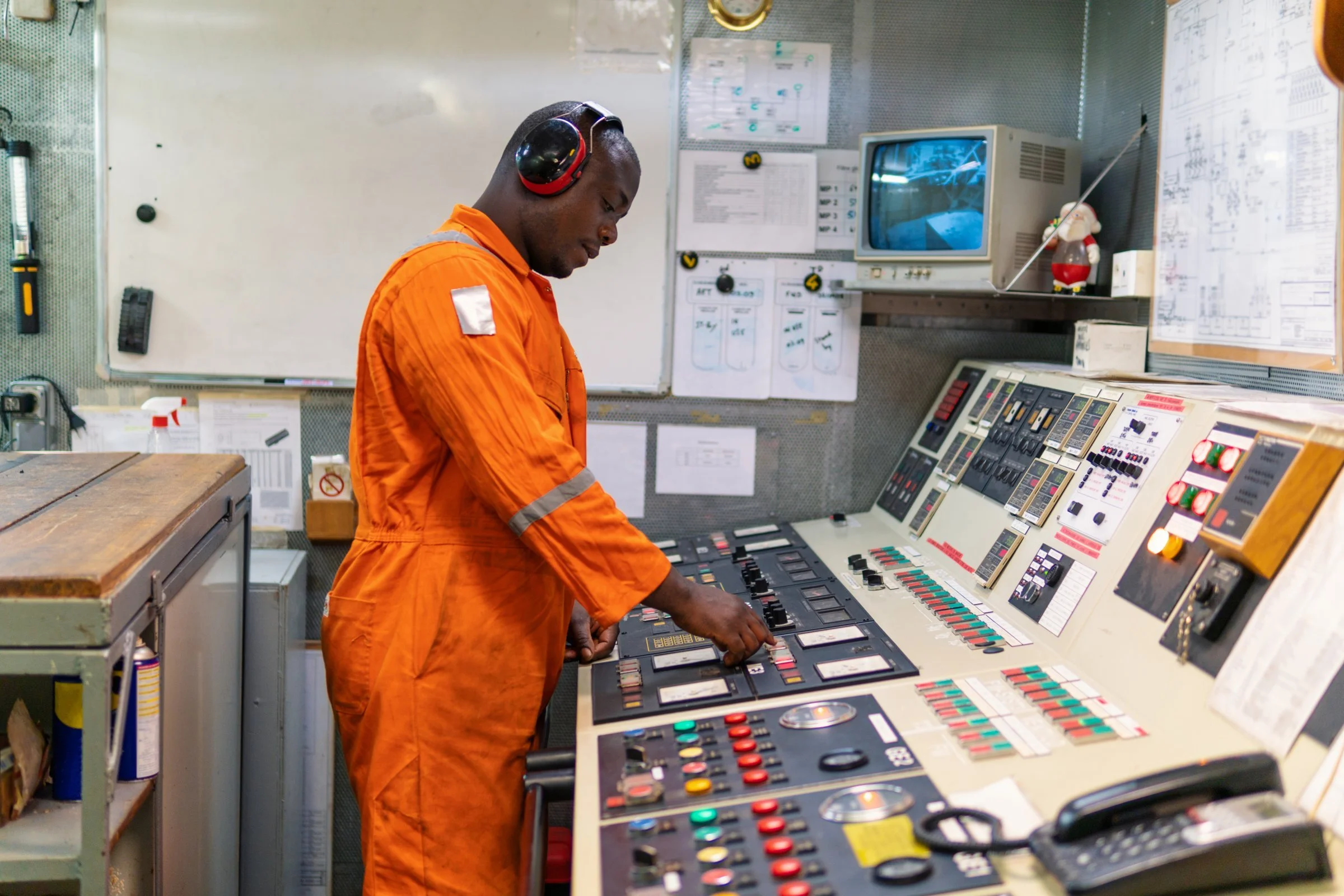
Treatment systems used to meet D-2 have to be approved under the Convention, taking into account the BWMS Code. Systems that use active substances also have a separate IMO approval path. Installation, commissioning and operation should follow the maker's instructions, the approved plan, and the flag's requirements. A plant that is not working, or is not being used as approved, will not be saved by a certificate in the file. Sediment management is part of the same picture. Tanks still have to be managed in accordance with the approved plan, and sediment should not be assumed to be a problem only for older ships still using exchange. Challenging water quality, a system in bypass, or a failure should be handled as the plan and the flag provide, and recorded, not improvised at the point of discharge.
United States calls, and local conditions
The United States is not a party to the BWM Convention. Ships calling at Port Everglades or the Port of Miami, and at other US ports, must meet the applicable United States ballast water requirements, including US Coast Guard type approval for a ballast water management system used to satisfy those rules. An IMO type approval is not automatically a US Coast Guard type approval. Confirm the current US Coast Guard and Environmental Protection Agency requirements for the intended call, and the approval status of the system actually fitted, before assuming that the ship's Convention documents are sufficient.
Port or coastal-state conditions can also affect where and how ballast may be discharged, exchanged, or taken, including any reporting that the port requires before arrival. This article does not set out a rulebook for Bahamian or Floridian waters. Those requirements should be taken from current official instructions, the ship's plan, and, for a call in The Bahamas or South Florida, from Port Agency & Logistics working with the port. The FAQs set out the usual pre-arrival information; if ballast operations are expected, that is a reason to say so clearly.
If a system needs repair, spares or technical attendance during a call, that is ordinary technical planning. Marine Technical Services can be relevant when work is to be done in port; it does not change the statutory standard the ship has to meet.
Frequently asked questions
Has the D-2 deadline already passed? For ships to which the Convention applies, the final implementation date of 8 September 2024 has passed. Confirm the ship's own certificate and any flag arrangement from official documents, not from a remembered phase-in chart.
If our system is IMO type-approved, can we discharge in a US port? Not automatically. US type approval is a separate process. Confirm the current US requirements and the approval status of the fitted system.
Do we still need a ballast water record book if the plant is fitted? Yes, for ships to which the Convention's record-keeping requirements apply. Operations still have to be recorded in accordance with the current text.
A short closing note
This is an industry briefing, not a survey of any particular plant and not legal advice. Russmill Maritime Services Limited is a ship supplier, service provider and port agent in The Bahamas and South Florida. For questions about an upcoming call, email ops@russmillmaritime.com or call +1 242 821 7780.