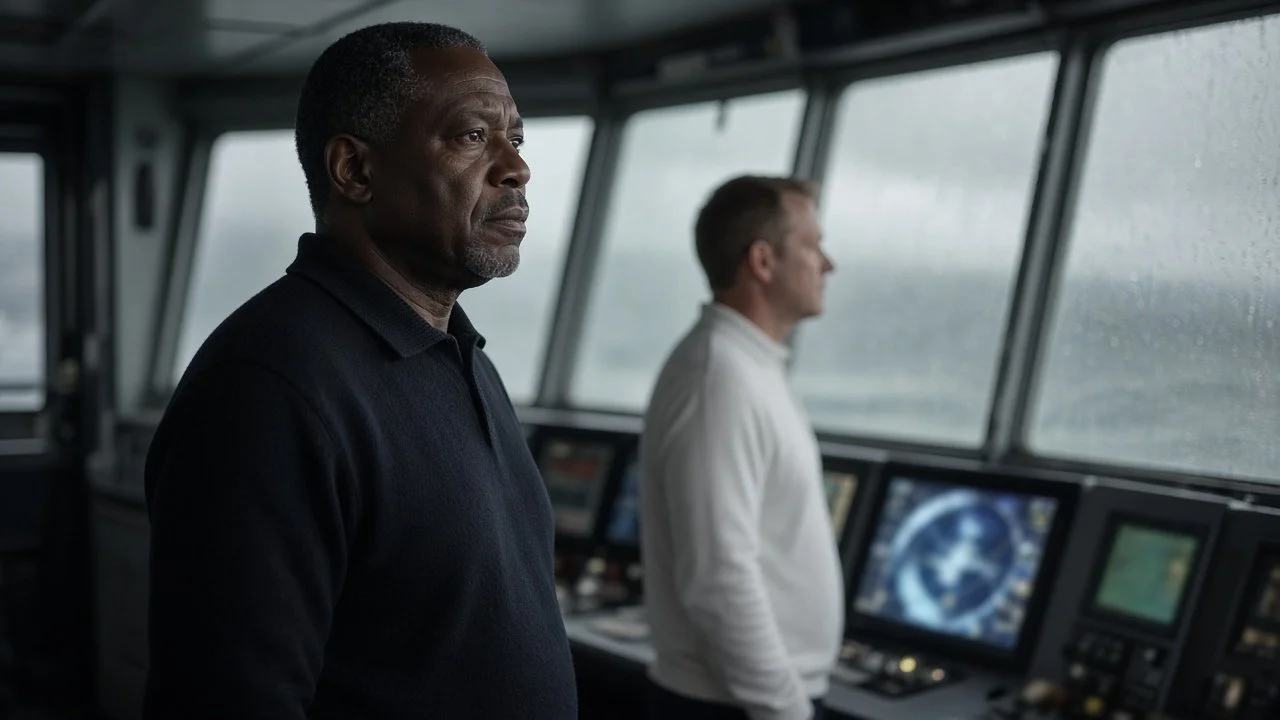

Hurricane season seamanship is a standing competence for any ship that trades through The Bahamas and the western Atlantic, not a special topic for a single week in September. The official Atlantic hurricane season, as used by the National Hurricane Center, runs from 1 June to 30 November. That is a calendar, not a forecast. Storms have formed outside those dates, and many days inside the season are ordinary steaming weather. This article does not forecast any particular season, and it does not invent storm counts or a date on which a named storm will appear.
What follows is a practical briefing for masters, officers and superintendents. It covers how to use official forecasts, what a passage plan and a port call should already have in mind, and why heavy-weather seamanship and the collision regulations still apply when the weather is deteriorating.
What hurricane season seamanship asks of the ship
The first habit is to watch official sources, not a social-media map. For the Atlantic basin, that means the National Hurricane Center and the other official meteorological services that issue warnings for the waters and islands on the ship's route, including in The Bahamas. Forecasts change. A plan that was sound at dawn may need to be revised in the afternoon. Unofficial maps and single-model pictures can be useful background, but they are not the source the ship should act on. The ship's procedures should say who reviews the forecasts, how often, and who may change the route or the order of ports.
Late summer and early autumn are often the busiest part of the season, but “often” is not a reason to be casual in June or November. The right question is not whether the season has been quiet so far. It is whether the current official forecast, the ship's position, and the intended port still fit together.
Before the ship even meets heavy weather, ordinary seamanship still earns its keep: watertight doors and hatches that actually close, lashings that were checked when the cargo was loaded, loose gear that will not become a missile, and enough rested people to keep the watch. On passage, the usual heavy-weather decisions remain the ones that matter: a safe speed and a safe heading for the ship as she is loaded, a route that does not close a dangerous sector if that can still be avoided, and a willingness to update that route when the official forecast changes. Restricted visibility, heavy rain and a crowded coastal approach can arrive together. The International Regulations for Preventing Collisions at Sea still apply.
In port, follow the instructions of the port authority and the terminal. Ports may restrict movements, close, or require a ship to leave or to take extra lines. Those decisions belong to the official authority, not to an agent or a supplier, and they should not be second-guessed from a remembered closure in another year. Tell the agent early if a forecast may affect the ship's arrival, cargo, or crew change, so that Port Agency & Logistics is working from the same picture. The FAQs set out the usual pre-arrival information; a weather-driven change is a reason to send an update, not to wait.
Planning a Bahamas or South Florida call in the season
A call at Freeport, South Riding Point, Port Everglades or the Port of Miami during the season does not automatically need to be cancelled. It does need a plan that can be changed. That means a realistic window, a 24-hour contact, and a clear idea of which jobs — stores, a crew change, a survey, a repair — are essential to complete if the stay is shortened, and which can be deferred.
Do not leave bunkers, water, or critical spares until the last afternoon of a window that a forecast may cut short. If people are joining or leaving, build in the possibility that transport ashore or a launch may be restricted. If the ship may have to sail, or may be asked to remain, the master should already know what the charterparty, the flag and the company's SMS say about that decision. This article does not interpret those documents.
After a storm has passed, the work is not automatically over. Channels, aids to navigation and berths can be affected. Confirm the official picture before assuming that a usual approach is still open in the usual way.
Frequently asked questions
Does the official 1 June to 30 November season mean we can ignore tropical cyclones outside those dates? No. The season is the period in which activity is most common. Official forecasts should be watched whenever they are issued, including outside those dates.
Who decides whether a port is open? The port authority and the relevant official authorities. An agent can pass on those instructions and help rearrange a call, but cannot override them.
Should we change our intended route because a season is expected to be busy? Do not plan against a seasonal outlook alone. Plan against the official forecast that applies to the ship now, the ship's condition, and the company's heavy-weather procedures.
A short closing note
This is an industry briefing, not a forecast and not a substitute for the ship's heavy-weather procedures or for official warnings. Russmill Maritime Services Limited is a ship supplier, service provider and port agent in The Bahamas and South Florida. For questions about an upcoming call, email ops@russmillmaritime.com or call +1 242 821 7780.