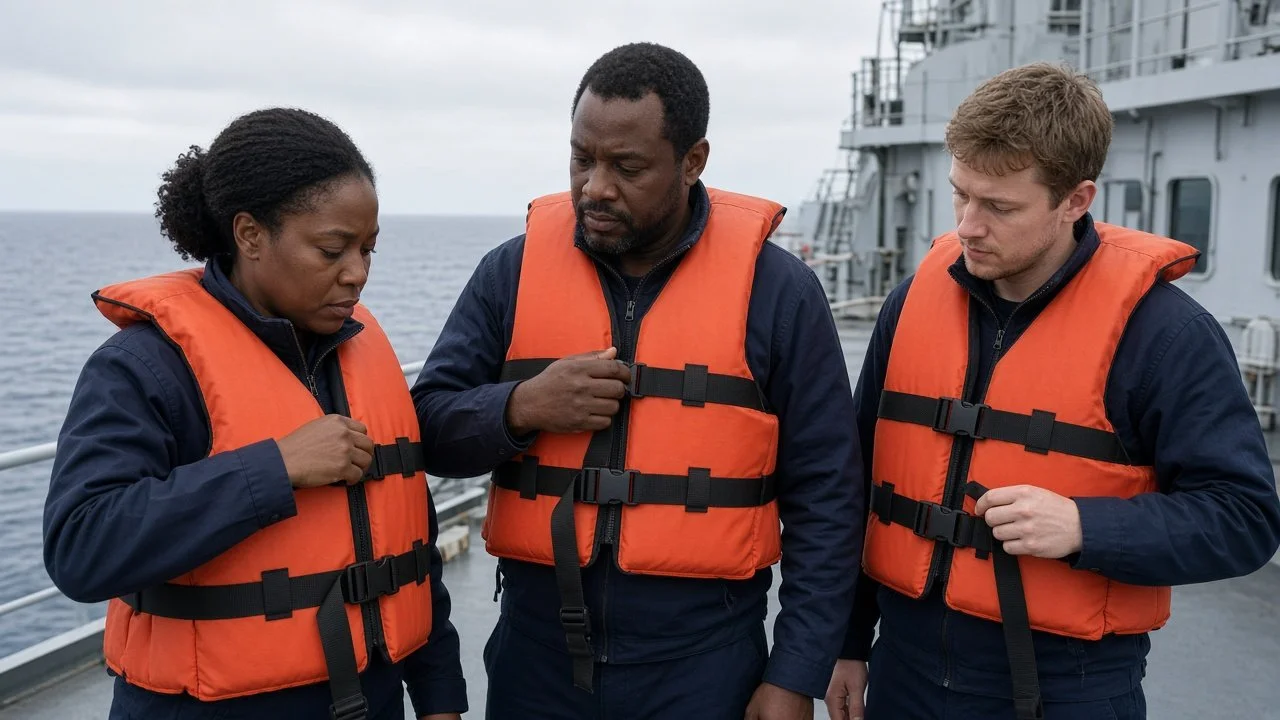

STCW training is the common language of qualification at sea. The International Convention on Standards of Training, Certification and Watchkeeping for Seafarers, first adopted in 1978 and later revised, including the 1995 and 2010 Manila amendments, sets the baseline for what officers and ratings must be able to do, and how that competence is certified. For a master, a superintendent or a crewing manager, the practical question is simpler: do the people joining the ship hold the right documents, and have they been familiarized before they take over a duty?
This article explains those two questions in plain English. It does not list every course code or treat a proposed amendment as if it were already in force. Those details should be taken from the current convention, the flag administration and the company's safety management system.
What STCW training is meant to achieve
STCW is a flag-state convention. The administration that issues or endorses a certificate is saying that the seafarer has met an agreed standard of competence. Certificates of competency for officers, certificates of proficiency for specified tasks, and basic safety training for those who need it all sit under that roof.
Basic safety training typically covers personal survival, fire prevention and fire fighting, elementary first aid and personal safety and social responsibility. Further certificates are required for particular roles: survival craft and rescue boats, advanced fire fighting, medical care, and specialist tanker or passenger-ship training, among others. The exact matrix depends on the ship type, the trade and the flag. It should be read from the minimum safe manning document and the flag's instructions, not from memory.
A certificate issued by one party to the convention often needs an endorsement by the flag of the ship before the seafarer can serve. That endorsement is easy to overlook in a hurried crew change, and it is one of the first things a port state inspector will ask to see.
Familiarization is not the same as a course ashore
STCW also requires that seafarers are familiarized with the ship before they are assigned duties. The ISM Code says the same thing in a different voice: the company must ensure that new personnel are familiar with their responsibilities and with the ship's safety management system.
Familiarization is therefore a shipboard task, not a document in a crewing file. It usually includes, as a minimum:
- The general arrangement, alarm signals and muster station
- The location and use of life-saving and fire-fighting equipment the person may have to use
- Emergency duties, including those on the muster list
- The parts of the safety management system that apply to the rank
- For watchkeepers, the standing orders, the equipment they will operate and any known defects
A signed checklist is useful evidence. It is not a substitute for actually walking the person around the ship. A joining officer who arrives late at night still needs a safe, structured briefing before taking a watch.
What to check before a crew change
A change of crew is where paper and practice often drift apart. Before people travel, the office should confirm:
- Certificates of competency and proficiency are valid for the period they will be on board, including any required flag endorsement.
- Medical certificates and, where required, seafarer identity or visa documents will get them on and off the ship.
- Basic and role-specific training is current. Some certificates of proficiency have renewal or refresher requirements; the flag and the issuing administration set those, not this article.
- The joining person has been given, in advance, enough information about the ship to start familiarization on arrival: type, layout, their rank and the SMS documents they will need.
- Rest hours are planned around the change. A person who has travelled overnight is not ready for an immediate watch simply because their certificate is in date.
If the change is taking place in The Bahamas or through Port Everglades or Miami, the agent will also need the crew list, flight details and any sign-on or sign-off formalities. The FAQs and the note on port agency set out what to send.
The company should also keep a simple record of drills and of who has been familiarized, so that a relief master or an inspector can see the trail. A safety management system that only exists in the office will not help the people who have just crossed the gangway.
Watchkeeping standards and hours of rest under STCW sit alongside the Maritime Labour Convention. The two should be read together. A later Brief article looks at MLC in more detail; the operational point is the same: a tired, badly briefed watchkeeper is a risk, whatever the paperwork says.
Frequently asked questions
Does a valid certificate of competency remove the need for shipboard familiarization? No. The certificate shows competence in the rank and ship type. Familiarization shows that the person can apply it on this ship, with this equipment and this SMS.
What if a joining endorsement is still being processed? Do not assume the person can serve. Check the current position with the flag administration before they travel, and do not assign duties that the documents do not support.
Are further STCW amendments already in force? Some amendments have been adopted over the years; others are only under discussion. Confirm the text and the entry-into-force dates with the flag and the IMO documents. Do not treat a proposal as a current requirement.
A short closing note
This is an industry briefing, not a training provider's advertisement. Russmill Maritime Services Limited helps ships with crew changes and port calls in The Bahamas and South Florida. If you have a call coming up, email ops@russmillmaritime.com or use the 24-hour line, +1 242 821 7780.